Technology
No surgery to start. Open source throughout. We’re building brain–computer interfaces that turn intention into action for people living with paralysis or MND, starting with SSVEP: look at an option, and a soft EEG cap reads the choice.
How it works
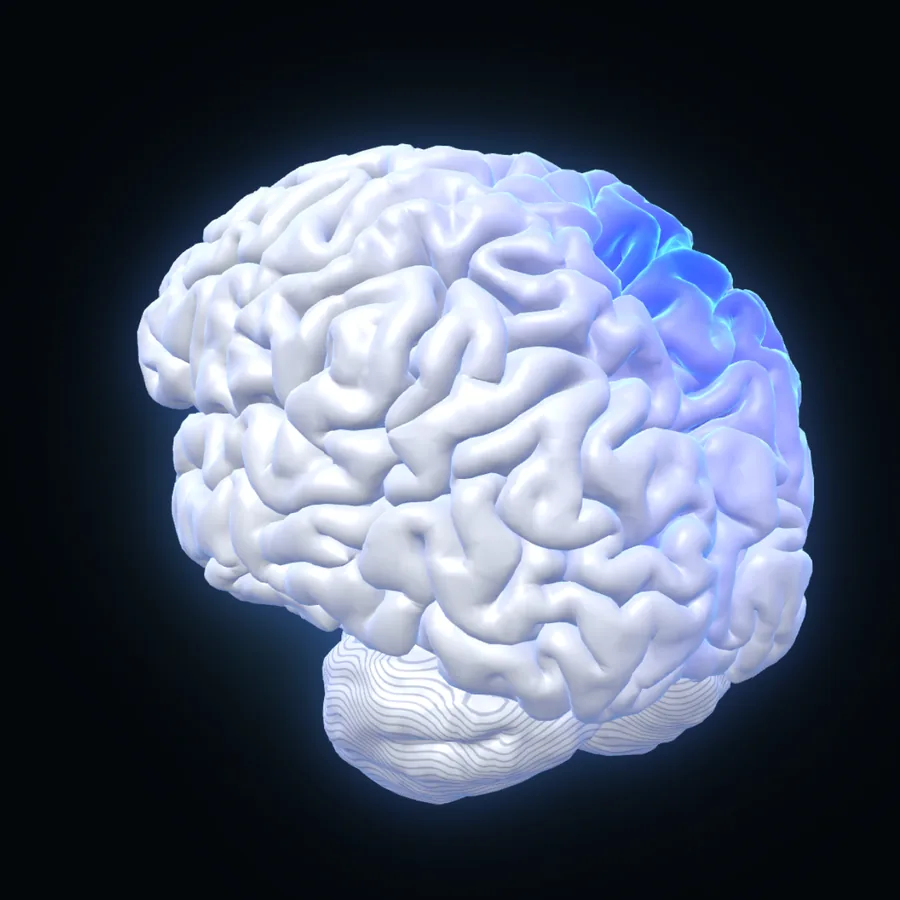
A brain–computer interface reads the brain’s electrical activity and turns an intention into an action on a device.
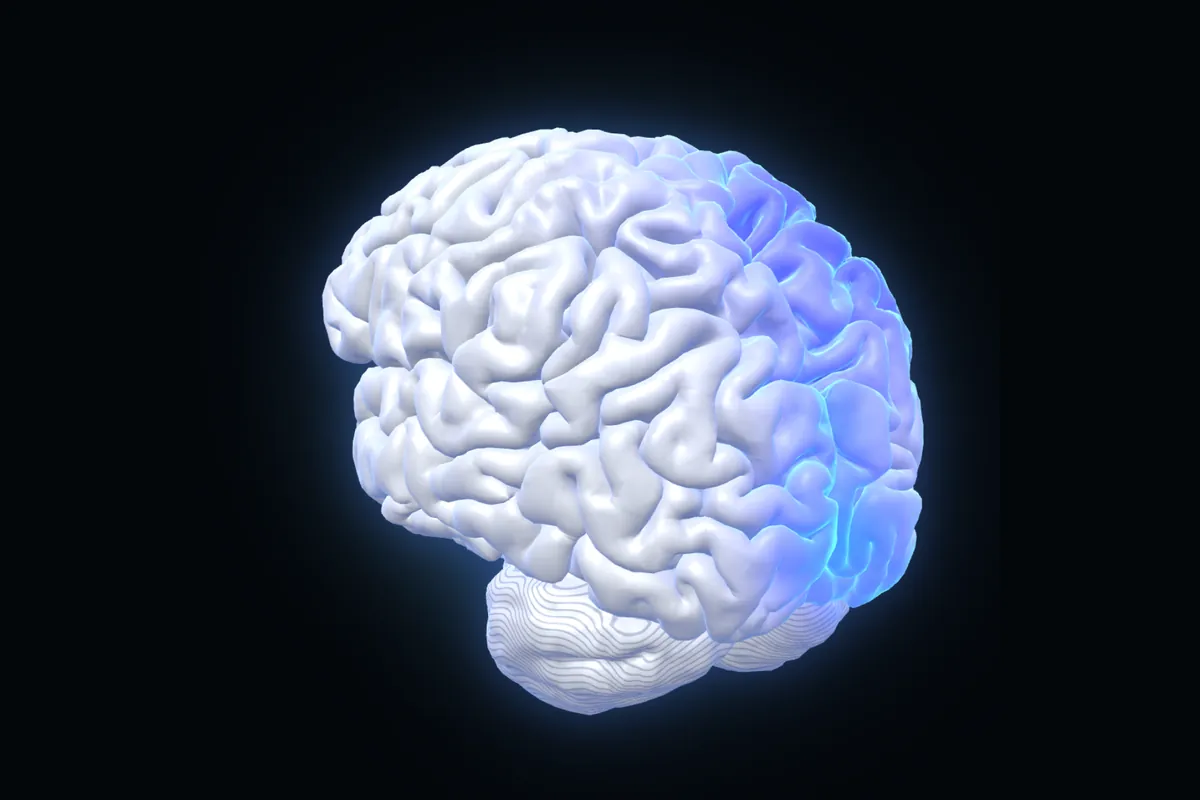
We start with SSVEP (steady-state visually evoked potentials). Options on a screen flicker at different rates, and the one you look at sets the rhythm of your visual cortex. The decoder reads which rhythm is strongest. It’s one of the fastest non-invasive methods and needs little training, which is why we start there.
Implants give the clearest signal, but they need neurosurgery. We start outside the skull, with a soft cap of electrodes (EEG) that you can put on and take off, and build on open-source tools that researchers around the world already use and improve.
We’ll test everything with the people who will use it, under proper ethical and regulatory approval, before anyone relies on it.
The path
 Now
Choose
Look at an option to pick it: a contact, a reply, a yes or a no. An AI agent will turn each choice into a finished task, such as a phone call, and check with you before it acts.
 Next
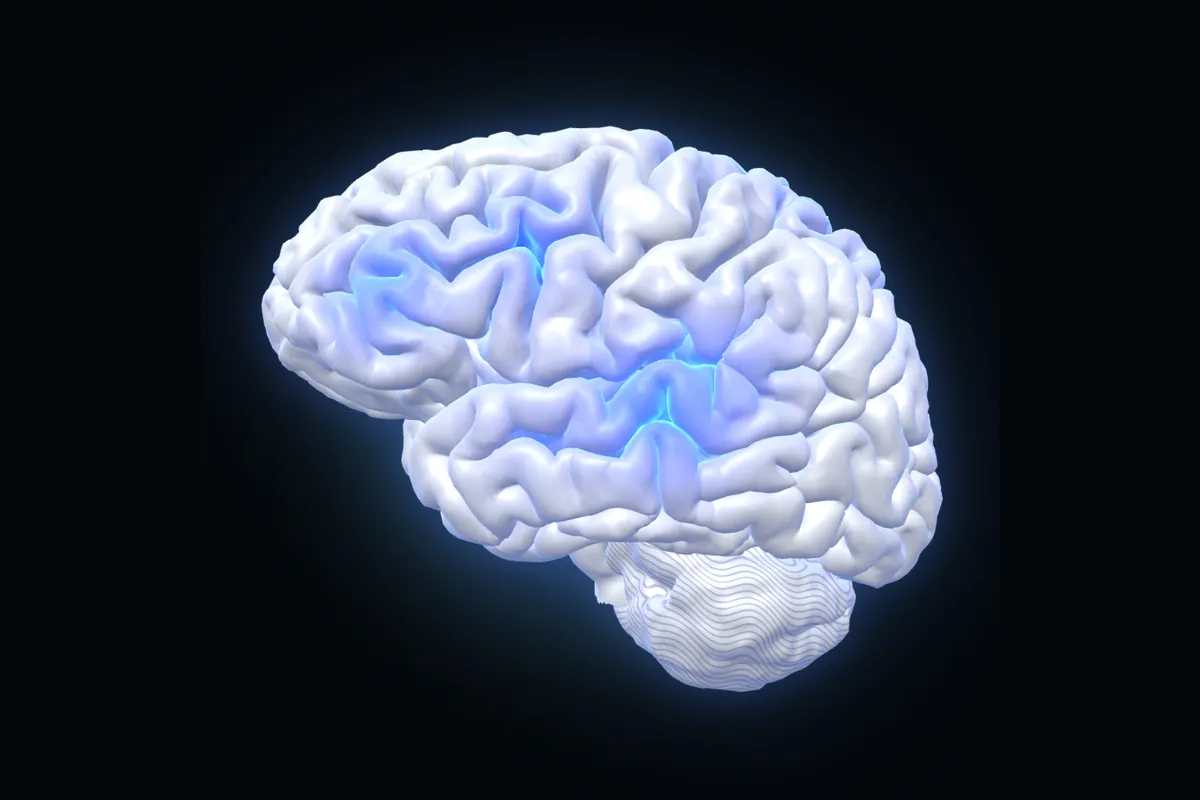
Communicate
Spell out words and speak them in a synthetic voice. Non-invasive spellers already work, but slowly; we’re making each selection count for more, with an AI that suggests whole messages to choose from.
 Later
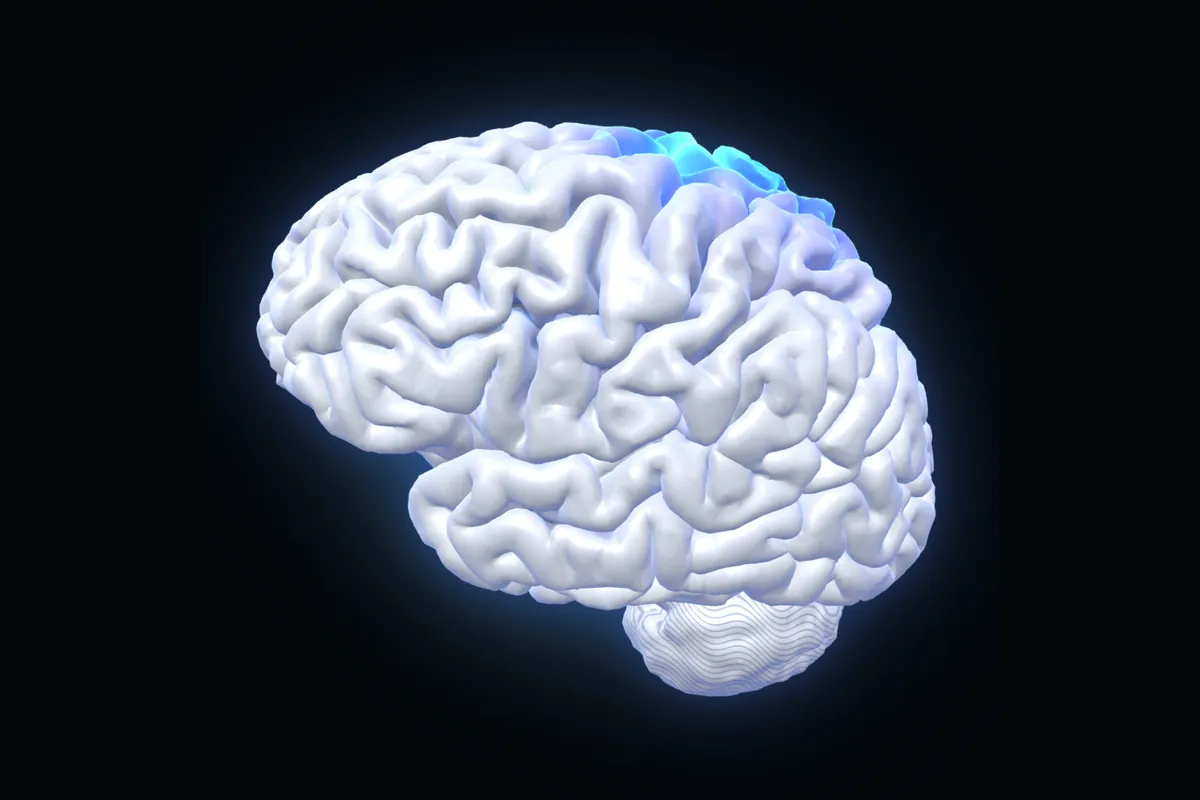
Beyond sight
SSVEP needs reasonable eyesight and some control of where you look. For people without either, including some people late in MND, we’ll build versions that respond to touch or sound instead.
Together they add up to autonomy: doing things for yourself, on your own terms.
Built on open source
We don’t start from a blank page. These projects have years of work from hundreds of contributors behind them, and our own code, designs and results will be published openly too.
- OpenBCIOpen-source EEG amplifiers, electrode caps and recording software.MIT, CC BY-SA
- BrainFlowOne interface for reading signals from dozens of EEG devices.MIT
- Lab Streaming LayerKeeps signals, keystrokes and screen events in time with each other.MIT
- MNE-PythonFiltering, artefact removal and analysis of brain signals.BSD-3-Clause
- MOABBFair benchmarks for decoders across open EEG datasets.BSD-3-Clause
- BraindecodeDeep-learning decoders that work on raw EEG.BSD-3-Clause
- pyRiemannRobust EEG classifiers built on Riemannian geometry.BSD-3-Clause
Still Ask is an early-stage research project of Benaiah AI Ltd. We don’t make, sell or supply any medical device yet, and nothing on this site is medical advice.