
The frontier is open source.
See 4 founding rolesThe mission
Explore consciousness. Restore independence.
What you’ll work on
The hardest problems in neurotechnology, solved in the open.
-
01 — Signals
Read the brain without surgery.
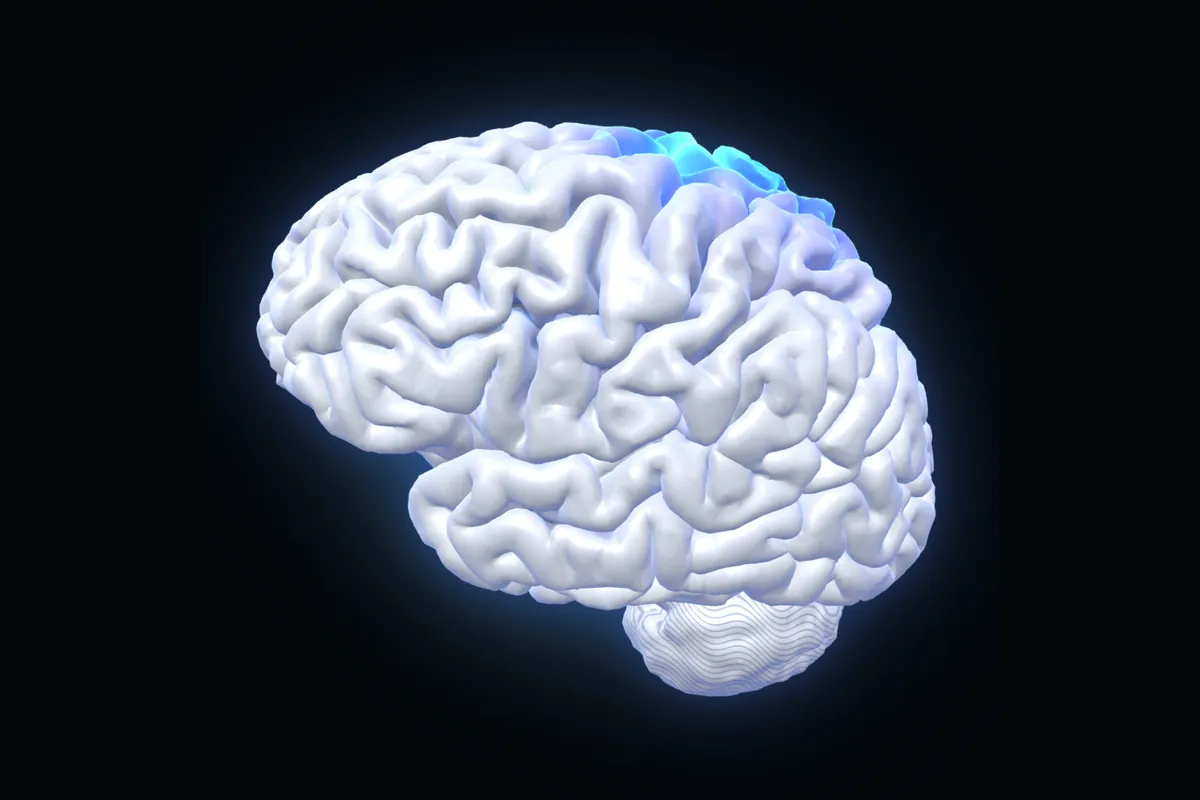
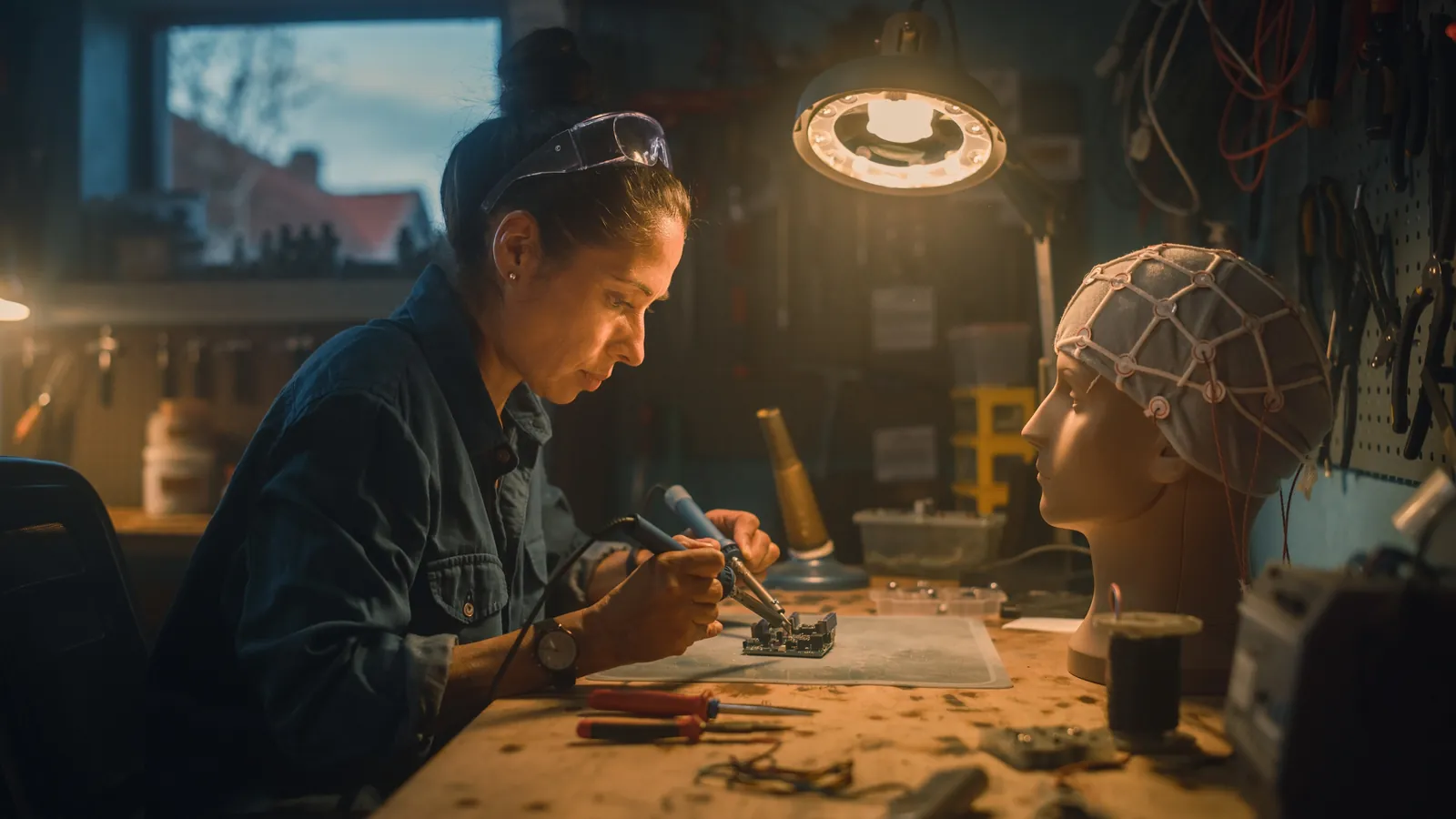
A soft cap of electrodes picks up the brain’s electrical activity through skin and bone. You’ll build the amplifiers and firmware that keep the noise down.
Signal: millionths of a volt
-
02 — Machine learning
Decode intent from the noise.
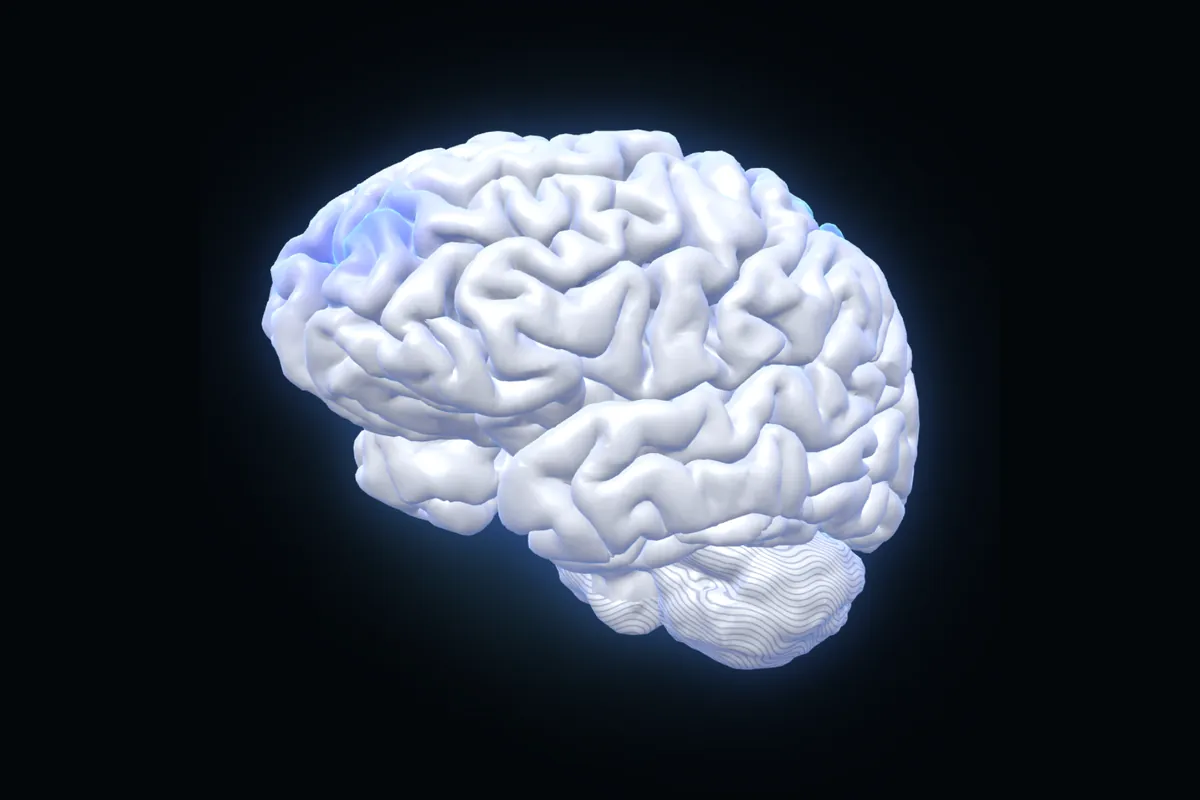
Decoders that work for a new person on day one and improve with every session, scored on public benchmarks before anyone relies on them.
Benchmarks: open datasets, scored in public
-
03 — Interfaces
Turn a thought into a click.
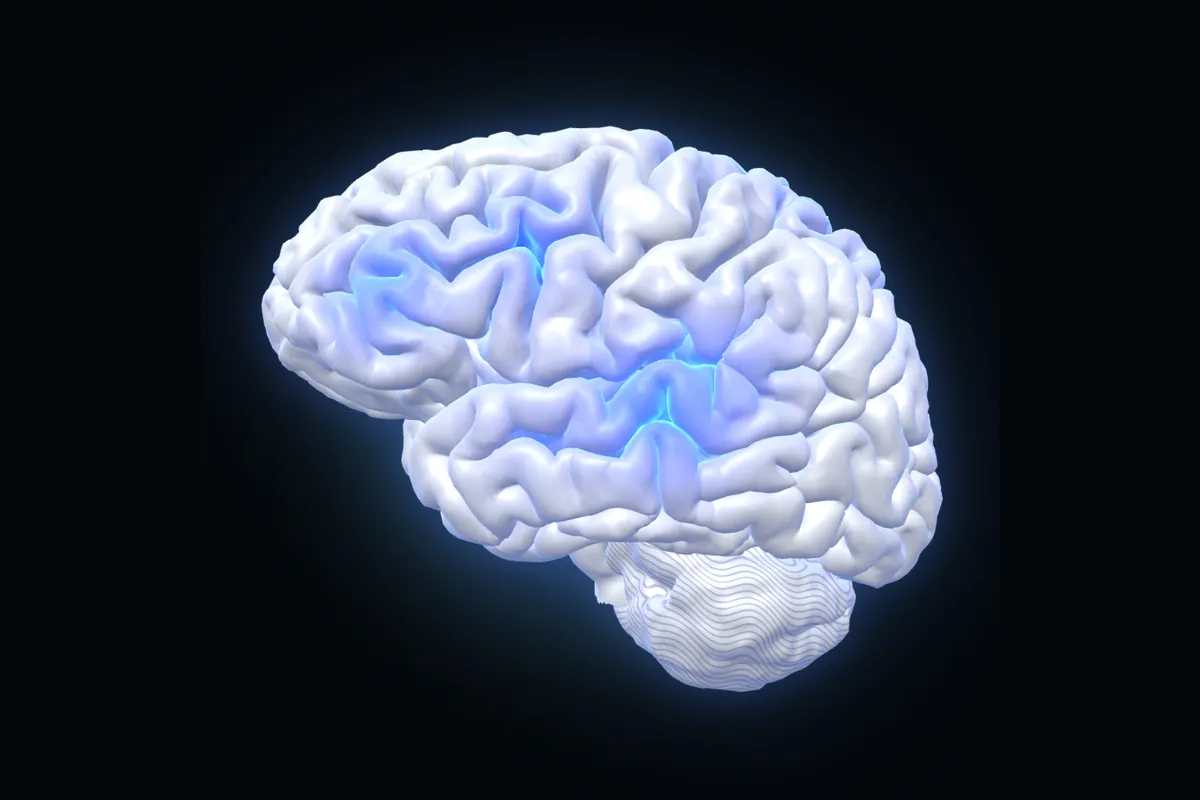
Cursor control, spelling and synthetic speech on the computers and phones people already own.
Target: the devices people already have
Where we are
Day one, honestly.
- 21 Oct 2026
- our patient registry opened
- 0 surgeries
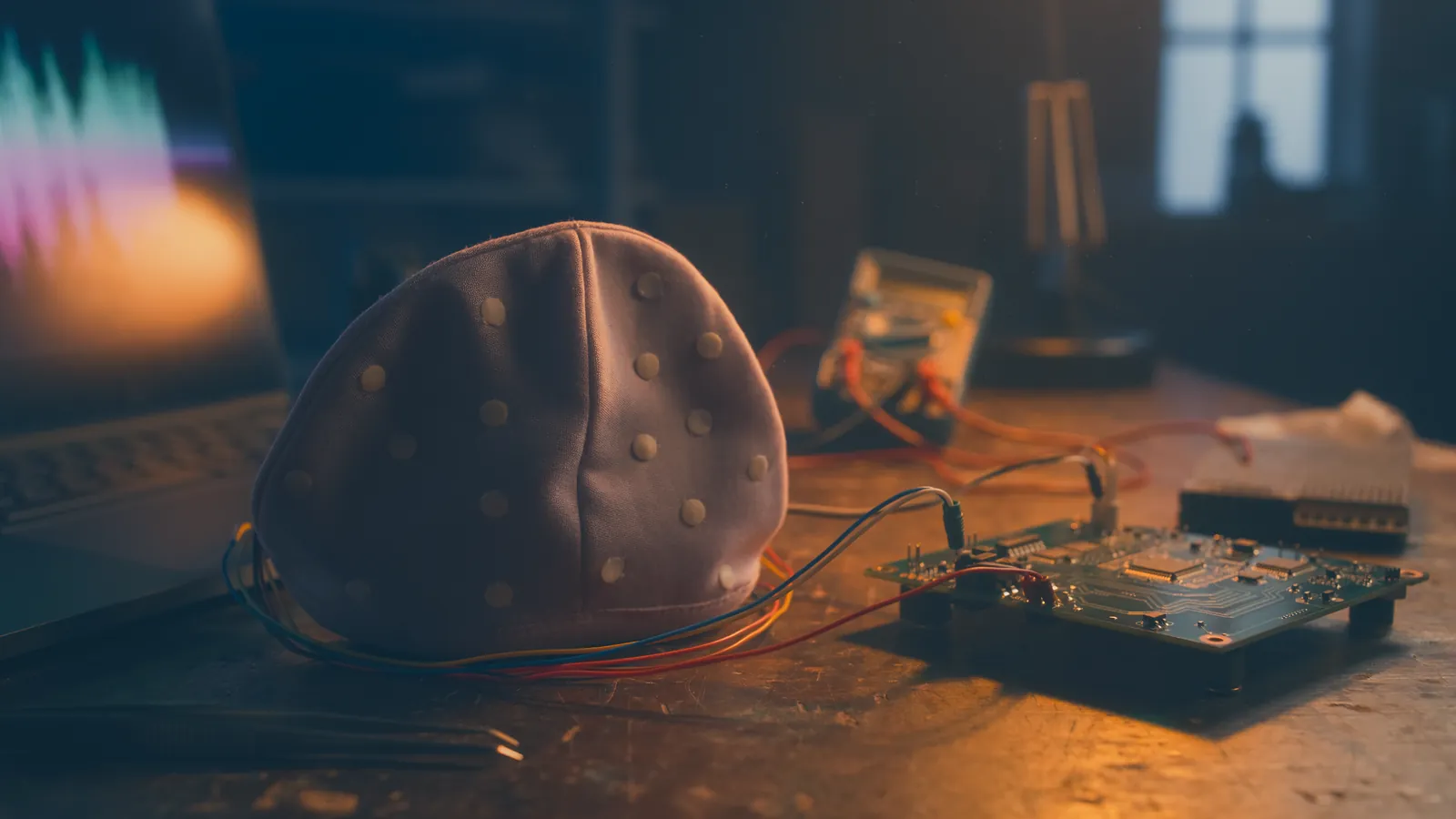
- we start with a soft cap, not an implant
- 100% open
- code, designs and results, published
- Shape it?
- If you live with paralysis, MND or sight loss, tell us what you need first. Join the patient registry
The culture
Do the best work of your career.
The problem
Brain signals, machine learning, hardware and design at once, for people who are waiting.
The people
You’d be one of the first people here, building the team with us.
The ownership
Own whole pieces of the work, and publish them under your own name.
The pace
Decisions in hours, not quarters. Prototype early and test it properly.
The foundations
Years of open science to stand on: BrainFlow, MNE-Python, MOABB and the people behind them.
Some work fills a day.
This could give someone their voice back.
Our values
How we operate
Patients first
Every decision traces back to the people who will use this, and what they tell us they need.
Open by default
Code, designs and results are published, so anyone can check them and build on them.
Evidence over hype
We only claim what we’ve shown. No device, trial or result until there is one.
Careful where it counts
Fast where we can be, and slow and thorough wherever the work touches people.
Kind and direct
Honest feedback, hard problems, decent people.
Jesus gave sight to the blind and a voice to those who’d lost theirs. With empathy, open science and hard work, we can build the tools to do the same, and give them to everyone.
You don’t have to be a neuroscientist
to work at Still Ask.
No roles match. Write to us anyway: hello@stillask.com
Machine learning
Clinical and regulatory
Lived experience
If you’re disabled and meet the minimum criteria for a role, or you’ve served in the Armed Forces, we’ll offer you an interview. Tell us any adjustments you need at any stage. Don’t see your role? Email hello@stillask.com and tell us what you’d build first.